
When it comes to recharging the body and staying awake and alert during the day, there’s nothing more important than sleep. To function properly, the CDC recommends that adults get between seven and eight hours of uninterrupted shuteye each night, but for those with obstructive sleep apnea (OSA) and central sleep apnea (CSA), getting the minimum hours of required rest can be a big challenge.
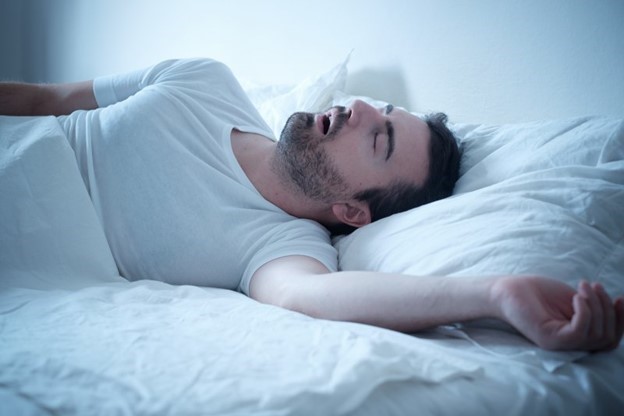
CSA and OSA occur when you struggle to breathe as you sleep. With CSA, your brain fails to signal your body that it needs to continue to breathe, while with OSA, your airway collapses while you are in a reclined position, making it harder to inhale and exhale.
(more…)
 If you rely on several cups of coffee to get through the day, your sleep schedule can affect your physical and mental health. There’s no denying the importance of getting a good night’s rest. The National Sleep Foundation launched Sleep Awareness Week in 1998 to enhance awareness of the necessity of getting 7-9 hours of rest nightly. Sometimes, going to bed earlier isn’t enough, especially if you have
  If you suffer from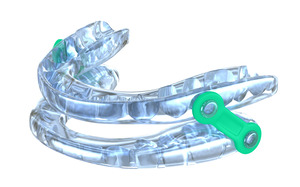


 Obstructive sleep apnea affects 18 million Americans, which causes frequent breathing disruptions. Contrary to what you might believe, it doesn’t just affect adults. 7% to 9% of children have a sleep-related breathing disorder, like