
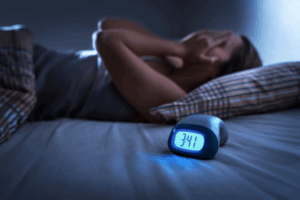
Does it seem like you feel more anxious when your sleep apnea symptoms keep you up at night? You’re not imagining things; scientists have found there’s a direct link between these two troublesome problems. In fact, they can contribute to each other, creating a rather undesirable and chaotic cycle.
Fortunately, treating your sleep apnea can improve your mental health – and vice versa! Keep reading to learn more.
How Your Sleep Quality Affects Anxiety
Sleep is important for regulating all kinds of biological processes, including serotonin production. When your rest is interrupted or you’re unable to get as much sleep as you need, it changes how your brain controls mood-producing chemicals like serotonin, resulting in irritability, sadness, anxiety, and general emotional dysregulation.
Sleep apnea patients are often interrupted while they rest, because airway blockages prompt them to stir or wake in order to get more oxygen. To make matters even more complex, these airway blockages can also trigger your body’s flight-or-fight response. Over time, this can strain your nervous system, further increasing anxiety.
How Anxiety Affects Sleep Apnea
So a lack of sleep can make it difficult to regulate your emotions, especially if you have sleep apnea. In turn, those overwhelming emotions can make it harder for you to fall or stay asleep. Anxiety in particular is associated with racing thoughts and an inability to feel relaxed. When you’re already waking up multiple times a night because you can’t breathe properly, the last thing you need is chronic emotional turmoil.
Tackling this Complicated Problem
There are ways you can tackle this complex cycle, though it will likely take more than some deep breathing exercises or a meditation session. Both sleep apnea and anxiety are multifaceted conditions requiring personalized care. In other words, you’ll likely need help from the professionals! For example:
- Your sleep dentist can provide you with a customized oral appliance that will adjust your jaw and shift overrelaxed tissue away from your airway. This promotes better nighttime breathing so you can receive the benefits of a full, complete rest.
- A therapist, psychiatrist, or combined provider can help you identify the root cause of your anxiety and manage your symptoms. Some patients prefer individualized sessions, some benefit from medication, and many are able to improve their mental health with a mix of both.
Whatever the case, you can count on your oral and mental health providers to help you find the treatment plan that works best for you. Relief is just a phone call away!
About the Author
Dr. Jay A. Nelson is a highly qualified and well-connected sleep dentist located in Wesley Chapel. He’s currently a diplomate of the American Board of Dental Sleep Medicine and is actively involved with many other such organizations and strongly believes in taking a team approach to treat his sleep apnea patients. If you’re struggling to get a good night’s rest because of airway blockages and anxiety, Dr. Nelson will gladly work with you to make sure you get the care you need. To contact his office for an appointment, call 813-733-4169 or submit a request online.